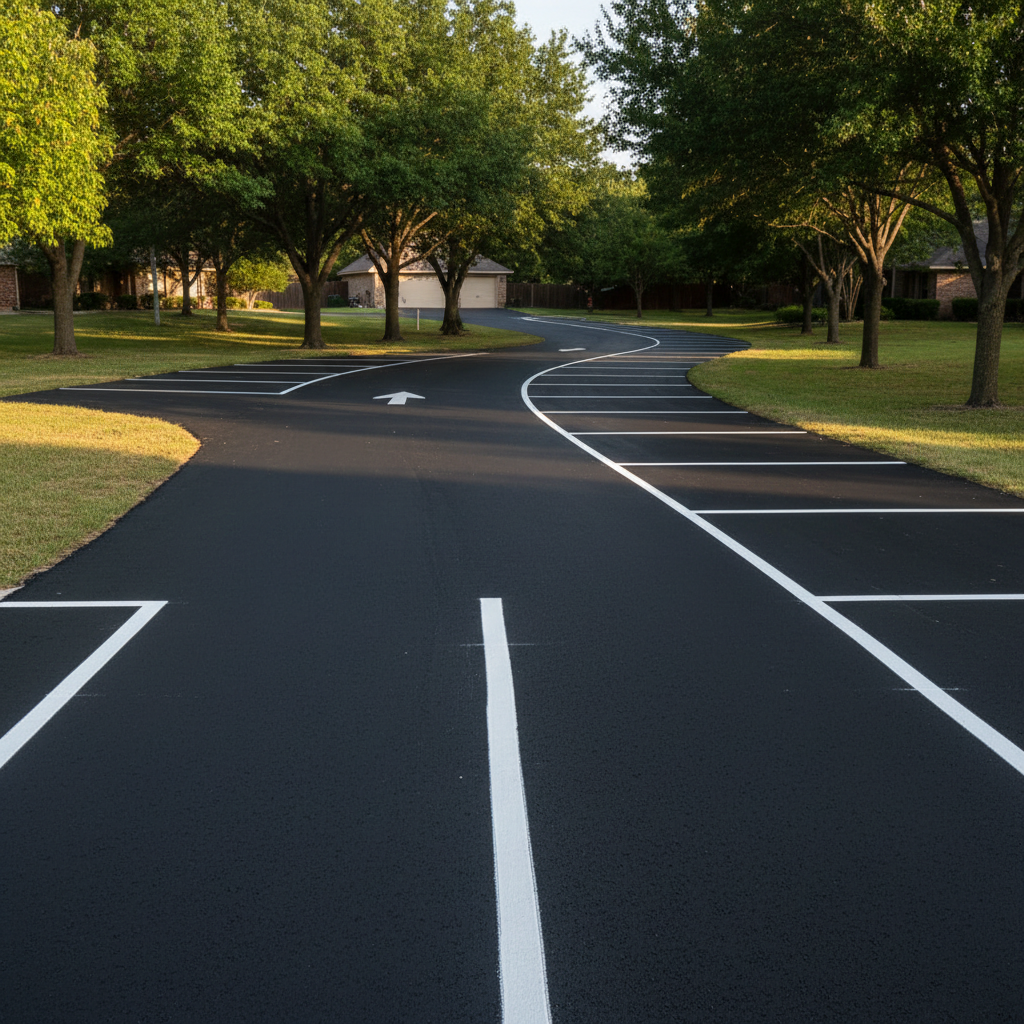
Alright, let's talk striping. You'd think painting lines on asphalt would be pretty straightforward, wouldn't you? Well, it is, and it isn't. I've seen plenty of folks right here in Killeen — from homeowners with big driveways to small business owners with parking lots — make some pretty common mistakes. These blunders often end up costing them time, money, and a whole lot of frustration. I'm here to tell you what to watch out for so you don't end up regretting your striping project.
Mistake #1: Not Really Understanding Why You Need Those Lines
This might sound super basic, but it's actually huge. Before you even think about hiring someone, you really need to know *why* you're striping. Are you just putting a fresh coat on an existing layout? Are you changing the layout completely? Or are you trying to meet ADA compliance for a commercial property? Each of these "whys" means different requirements, different paint types, and, of course, different costs. For instance, if you're a business owner, ADA compliance isn't optional; it's the law. Not planning for things like accessible parking spaces, access aisles, and proper signage from the very start is a massive oversight. I've seen businesses get hit with fines because they just wanted 'some lines' and didn't think about the regulations. For a homeowner, maybe you just want a basketball court or clearer parking for guests. That's a different beast entirely. Know your purpose, and make sure you communicate it clearly.
Mistake #2: Just Picking the Cheapest Bid Without Asking Questions
Look, I get it. Everyone wants to save a buck. But when it comes to asphalt striping, the cheapest bid often comes with hidden costs or, worse, really shoddy work. Here's what I see happen: a homeowner gets three bids, picks the lowest one, and then wonders why the lines are fading in six months or look crooked. You just gotta ask questions. What kind of paint are they using? Is it traffic-grade paint designed for asphalt, or some cheap stuff that'll peel off with the first Killeen summer downpour? What's their experience with striping specifically? Do they have references? Are they insured? A legitimate contractor, like us at Killeen Asphalt Solutions, will be transparent about their materials and process. If they're vague or rush you, that's a huge red flag, no two ways about it. You're not just buying paint; you're buying durability and expertise.
Mistake #3: Ignoring Proper Surface Prep
This is probably the biggest mistake, and it's almost always the contractor's fault for not explaining it or doing it right. You can have the best paint in the world, but if the surface isn't ready, those lines aren't sticking. I've seen guys just blow off some loose dirt and start painting. That's a recipe for disaster. For existing asphalt, you need to make sure it's clean, dry, and free of debris, oil, or loose aggregate. If there's old, flaking paint, it often needs to be removed or prepped so the new paint adheres properly. If it's a brand new asphalt surface, it needs to cure sufficiently before striping. Painting too soon on fresh asphalt can lead to premature fading and poor adhesion. Think about the soil we have around here – that blackland clay can get dusty and messy fast. You can't just paint over that! Proper cleaning, sometimes even power washing, is crucial. If your contractor isn't talking about surface prep, you need to be wary.
Mistake #4: Not Talking About Layout and Design Upfront
Don't assume your contractor knows exactly what you want. You might envision parallel parking spaces, and they might be thinking angled. You might want a specific flow for traffic, and they might just lay down standard lines. Before any paint hits the ground, you should have a clear discussion and, ideally, a diagram or a marked-out plan. This is especially true for commercial properties where traffic flow, pedestrian safety, and maximizing space are critical. For a homeowner, maybe you want a designated area for your RV or a clear path for kids to ride bikes. Don't leave it to chance. Walk the property with your contractor, point out exactly where lines should go, where they should stop, and what kind of markings you need (arrows, 'STOP' signs, numbers, etc.). A good contractor will help you plan this out, not just show up with a paint machine.
Mistake #5: Forgetting About Maintenance and Future Needs
Striping isn't a one-and-done deal forever. Over time, even the best paint will fade, especially with our intense Killeen sun and heavy traffic. A common mistake is not thinking about when these lines will need refreshing. If you're running a business, consistent, clear striping is part of your property's curb appeal and safety. For homeowners, maybe you've got a new driver in the house and want to reinforce parking spots. Discuss with your contractor what kind of lifespan you can expect from the paint they're using and when you might need to consider re-striping. It helps you budget and plan ahead. Also, if you anticipate future changes, like adding more parking or changing traffic patterns, mention that upfront. It might influence the initial layout decisions.
So, there you have it. Striping might seem simple, but avoiding these common blunders will save you a lot of grief. Do your homework, ask the right questions, and make sure you're working with someone who knows their stuff. That's how you get lines that last and look good.