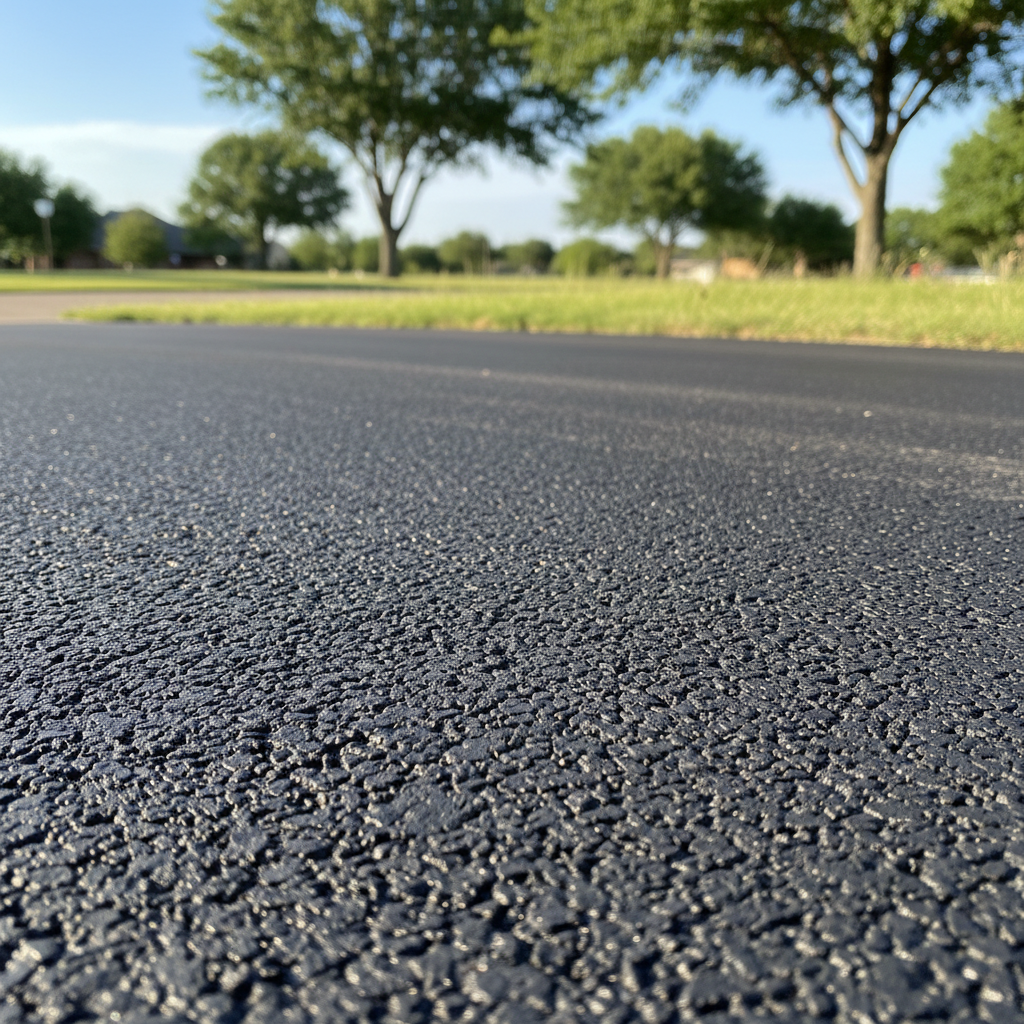
So, you're looking at your driveway and thinking it's time for some asphalt work. Maybe it's a brand new install, or maybe you've got cracks and potholes that are starting to look like a lunar landscape. Either way, you've got options, and some things you can tackle yourself, but a lot of it really needs a pro. Let's break down what you need to know.
Before the Shovel Hits the Ground: Planning Your Asphalt Project
First things first, what exactly are you trying to do? A full new driveway is a whole different beast than patching up a few cracks. Get a clear picture in your head. Is it just your driveway, or do you need a path to a new shed, or maybe an RV pad? Think about drainage, too. We get some pretty heavy rains here in Killeen, especially during spring, and you don't want water pooling up against your house or garage. Proper grading is crucial for shedding water away from your foundation.
DIY vs. Pro: What You Can Realistically Do
For a brand new asphalt driveway, or a complete tear-out and replace, you're calling a professional. Period. There's just too much heavy equipment, specialized knowledge, and proper material handling involved for a homeowner to do it right. You're talking about excavation, proper sub-base compaction, laying hot asphalt at specific temperatures, and then rolling it. That's not a weekend warrior job, unless your weekend warrior happens to own a paver and a roller.
What you can do yourself, if you're handy, are smaller repairs:
- Crack Filling: If you've got hairline cracks, you can clean them out thoroughly and use a good quality asphalt crack filler. Make sure the crack is dry and free of debris.
- Small Pothole Repair: For small, shallow potholes (think less than a foot across and a couple of inches deep), you can buy cold patch asphalt. Clean out the hole, make sure the edges are firm, fill it with the cold patch, and compact it. You can even drive your car over it a few times to help compact it.
- Cleaning and Sealing Prep: You can definitely clean your driveway. Pressure washing can work, but be careful not to blast out loose aggregate. A good stiff broom and a hose often do the trick.
Anything beyond that, especially if you're seeing widespread alligator cracking or significant settling, it's time to call someone like Killeen Asphalt Solutions.
During the Project: What to Expect from Your Contractor
Once you've picked a contractor, they should walk you through the whole process. Don't be afraid to ask questions. A good contractor will explain the layers: the subgrade, the base, and the asphalt surface itself. They'll talk about compaction. For new installs, they'll usually excavate, lay down a solid aggregate base (like crushed limestone, which we have plenty of around here), compact it, and then apply the asphalt. For overlays, they'll clean and prep the existing surface, maybe do some patching, and then lay a new layer of asphalt over the top.
Make sure you understand the timeline. Weather plays a huge role with asphalt. It needs to be warm enough for the asphalt to be pliable and cure properly. If it's too cold or wet, they won't be able to lay it right. They should also tell you how long you need to stay off the new surface. Don't try to drive on it too soon, or you'll leave tire marks and compromise the new pavement.
After the Asphalt is Down: Maintenance and Longevity
Okay, the new asphalt is in, it looks great. Now what? Your job isn't over. Proper maintenance will significantly extend the life of your driveway. Neglect it, and you'll be dealing with repairs much sooner than you'd like.
Key Maintenance Tips:
- Keep it Clean: Sweep off dirt, leaves, and debris regularly. Oil and gas spills should be cleaned up immediately, as they can break down the asphalt binder.
- Sealcoating: This is a big one. Sealcoating every 2-3 years protects your asphalt from UV rays, water penetration, and oxidation. It's like sunscreen for your driveway. You can buy sealcoat and apply it yourself, but it's a messy, labor-intensive job, and getting an even coat can be tricky. Many homeowners opt for a professional for this.
- Address Cracks Early: Don't let those small cracks turn into big potholes. Fill them as soon as you see them. Water is asphalt's biggest enemy; it gets into cracks, freezes, expands, and then you've got real problems.
- Watch the Edges: The edges of your driveway are often the weakest points. Avoid driving heavy vehicles right on the edge, and make sure they're supported if possible.
If you're ever unsure about a repair or if it's time for a professional assessment, just give Killeen Asphalt Solutions a call. We're happy to take a look and give you an honest opinion on what needs doing. Taking care of your asphalt now saves you a lot of headaches and money down the road.