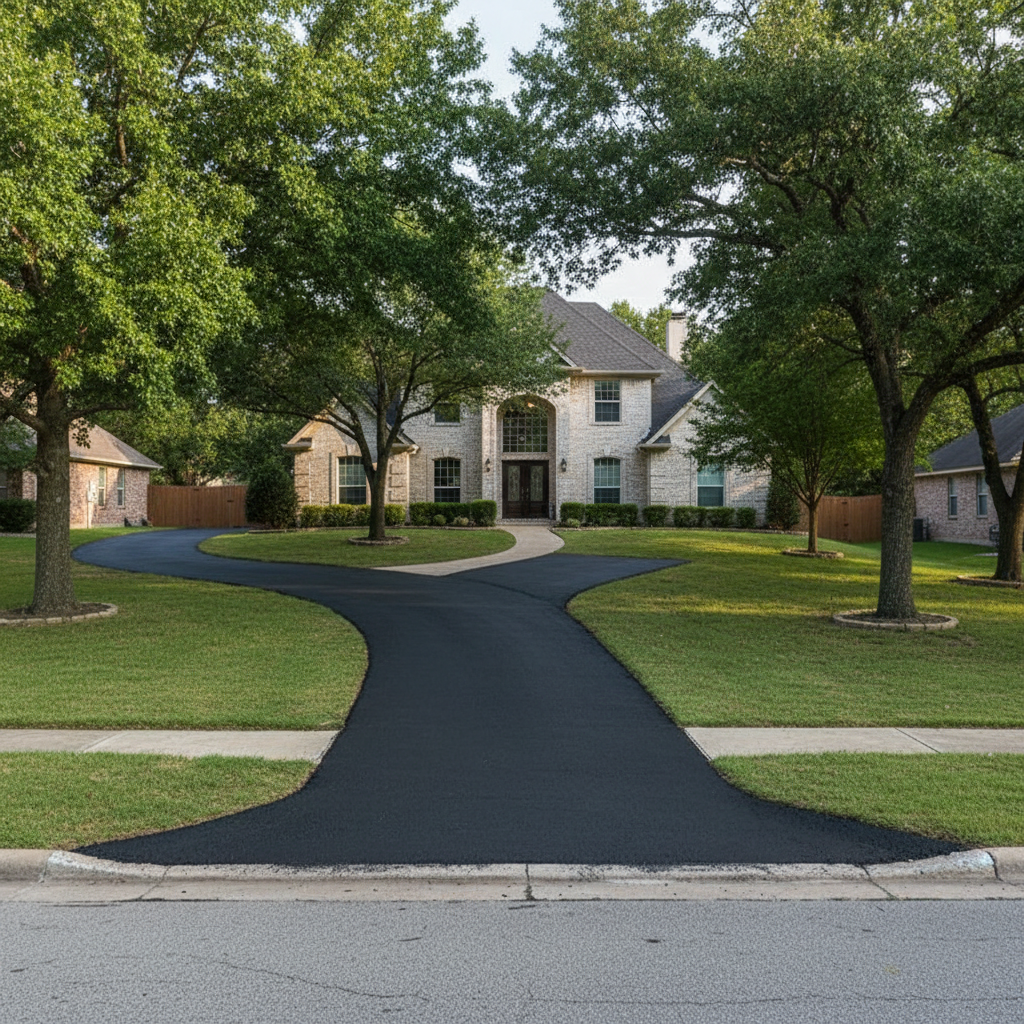
Alright, so you're thinking about getting some asphalt work done at your place here in Killeen. Maybe it's a brand-new driveway, or you're finally tackling that cracked-up parking pad. Good for you. But before you just jump in and call the first name you see, let's talk about getting this project planned right. It's not rocket science, but there are definitely some steps you'll want to follow to make sure you get what you pay for and avoid headaches down the road.
Understanding Your Project Timeline
How long does this whole thing take? That's usually one of the first questions I get. The truth is, it varies a lot depending on the scope of work, the weather, and how busy reputable contractors are. For a typical residential driveway, you're usually looking at a few weeks from your initial call to the finished product, maybe a bit longer if it's a big job or if we hit a rainy spell.
- Initial Contact & Quote: This is step one. You call us, we set up a time to come out, measure, and talk about what you need. This usually happens within a few days of your call. Getting the actual quote back to you might take another day or two, especially if it's a complex job that needs a detailed breakdown.
- Scheduling the Work: Once you've approved the quote, we'll get you on the schedule. Depending on the time of year and our current workload, this could be anywhere from one to four weeks out. Spring and fall are usually our busiest times here in Central Texas, so plan accordingly.
- The Work Itself: For most driveways, the actual paving or repair work is done in a day or two. If it's a full tear-out and replace, that might stretch to three days. We're talking about excavation, base preparation, and then laying the asphalt.
- Curing Time: This is important and often overlooked. After we lay the asphalt, it needs time to cure. You can usually walk on it pretty quickly, but you'll want to stay off it with vehicles for at least 2-3 days, sometimes longer for heavy vehicles or in very hot weather. We'll give you specific instructions.
What to Expect During the Asphalt Process
When the crew shows up, things are going to get busy. It's not a quiet job, that's for sure. Here's a general rundown of what you'll see:
First, if it's a new installation or a full replacement, we'll start with excavation. That means digging out the old stuff or grading the new area. You'll see heavy equipment like excavators and bobcats. Dirt and debris will be moved around. Then comes the base preparation. This is crucial for a long-lasting pavement. We'll lay down and compact a strong aggregate base. This might involve bringing in truckloads of gravel. If this isn't done right, your asphalt won't last, especially with our expansive clay soils around Killeen that can shift a lot.
Next, we'll apply a tack coat. This sticky liquid asphalt helps the new asphalt bind to the base or existing surface. Then comes the hot asphalt. It arrives in big trucks, steaming hot. Our crew will spread it using paving machines and then compact it with rollers. This is where you really see the transformation happening. There will be noise, machinery, and a distinct smell of hot asphalt. It usually dissipates pretty quickly.
Once the asphalt is laid and compacted, we'll make sure the edges are clean and the transitions are smooth. Then, we'll put up barricades or tape to keep traffic off it while it cools and cures. We'll also give you some aftercare instructions, like when you can drive on it and how to protect it.
How to Prepare Your Property
You can help make the process smoother for everyone. Before we arrive:
- Clear the Area: Remove anything from the work zone. That means cars, boats, trailers, trash cans, planters, garden hoses, kids' toys, and anything else that might be in the way. We can't move your stuff, and we don't want to accidentally damage it.
- Trim Vegetation: If you have bushes or tree branches hanging over the work area, trim them back. This gives our equipment and crew room to work without snagging anything.
- Mark Sprinkler Heads/Invisible Fences: If you have an underground sprinkler system or an invisible pet fence, mark the lines, especially around the edges of where we'll be working. We do our best to avoid them, but if we don't know they're there, accidents can happen.
- Talk to Your Neighbors: Let your immediate neighbors know that you'll have some construction going on. There will be noise and possibly some temporary access issues, so a heads-up is always appreciated.
- Plan for Access: Remember, you won't be able to drive on your new asphalt for a few days. Plan where you'll park your vehicles during that time.
Key Questions to Ask Before Signing a Contract
This is where you protect yourself. Don't be afraid to ask questions. Any good contractor, like us at Killeen Asphalt Solutions, will be happy to answer them.
- What's the exact scope of work? Make sure the contract clearly spells out everything that's included: excavation depth, base material and thickness, asphalt type and thickness, drainage considerations, and any edge work.
- What kind of warranty do you offer? A reputable company stands behind its work. Ask about the warranty period for materials and labor.
- Are you licensed and insured? This is non-negotiable. Ask for proof of liability insurance and workers' compensation. If they're not insured, you could be on the hook if someone gets hurt or something gets damaged.
- Can I see references or examples of your work? Look at jobs they've done recently. Drive by them if you can.
- What's the payment schedule? Be wary of anyone asking for a huge upfront deposit. A reasonable deposit is fine, but most of the payment should be due upon satisfactory completion.
- What happens if there's bad weather? How will that affect the schedule? Will you be notified promptly?
- Who is my main point of contact? You want to know who to call if you have questions or concerns during the project.
- How will you handle debris removal? Make sure they're responsible for hauling away all the old material and leaving your property clean.
By taking the time to plan and ask the right questions, you'll ensure your asphalt project goes smoothly and you end up with a durable, good-looking surface. It's an investment, so treat it like one.