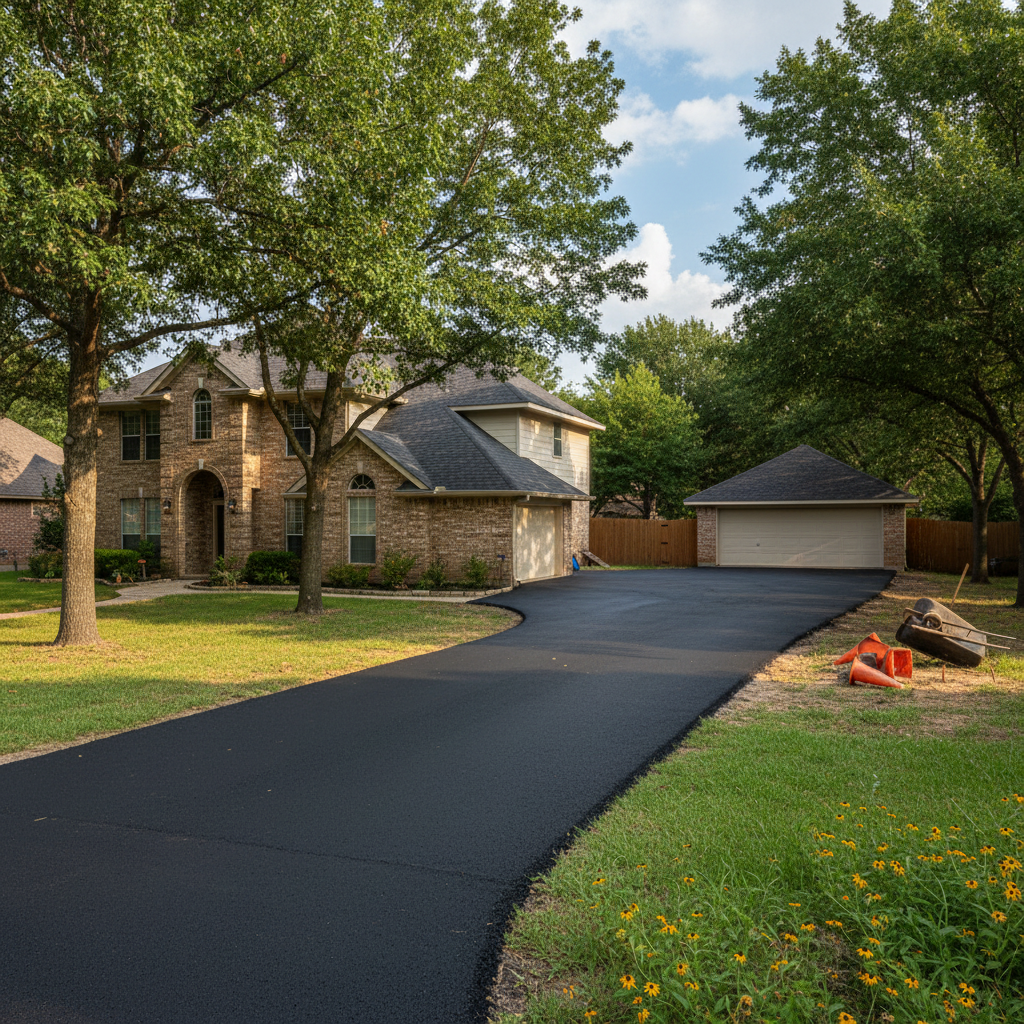
Central Texas summer heat is very intense. If you own a property around Fort Cavazos or manage a local strip mall off Expressway 190, you already know how brutal July and August can be on your asphalt. That relentless sun bakes the oils right out of the pavement, leaving it dry, brittle, and ready to crack the minute a heavy truck rolls over it.
Property owners do not always think about their pavement until it starts failing. By then, a simple sealcoat will not cut it, and you are looking at a heavy repair bill. Let us look at how our local weather impacts your pavement and what you can do right now to get ahead of it.
Why Killeen Weather is Tough on Pavement
Our local soil and climate throw a few unique punches at asphalt surfaces. We deal with expansive clay soils that shift constantly depending on moisture. When we get those sudden, torrential downpours after months of drought, the ground moves. That shifting creates sub-base failures underneath your parking lot or driveway.
Then you have surface temperatures. On a hundred-degree July afternoon, the asphalt surface itself can easily push 140 degrees. Liquid asphalt softens up in those conditions. Heavy delivery trucks make deep ruts and shoving marks if they turn sharp corners on a hot lot.
Timing Your Asphalt Maintenance Projects
You cannot pave or sealcoat effectively when it is freezing, but you also should not do heavy work during the peak of a Killeen heatwave either. Material cool-down rates matter tremendously. If liquid asphalt or sealcoat dries too fast under a blazing sun and dry wind, it loses its bonding strength.
- Spring and fall offer the sweet spot for major paving work.
- Early morning hours are best for patching and crack filling during warmer months.
- Winter works fine for cold-patch emergency fixes, but do not expect them to last forever.
When you are planning out your yearly property maintenance budget, aim for those shoulder months. Killeen Asphalt Solutions sees a massive rush right before school starts and right before the winter holidays. Scheduling ahead keeps you from getting stuck at the back of the line.
Practical Ways to Protect Your Investment Year-Round
You do not need a massive budget to keep your pavement healthy, but you do need consistency. Ignoring a minor crack today means dealing with a massive pothole next spring after the water gets in and expands.
Keep your drainage clear. Water standing against the edge of your asphalt will rot the base faster than almost anything else. Make sure downspouts are not dumping roof runoff right onto your parking lot surface.
Get out there and walk your property every few months. Look for standing water, spiderweb cracking, or areas where the surface is starting to fade from deep black to a chalky gray. Catching those early warning signs saves you thousands of dollars down the road.