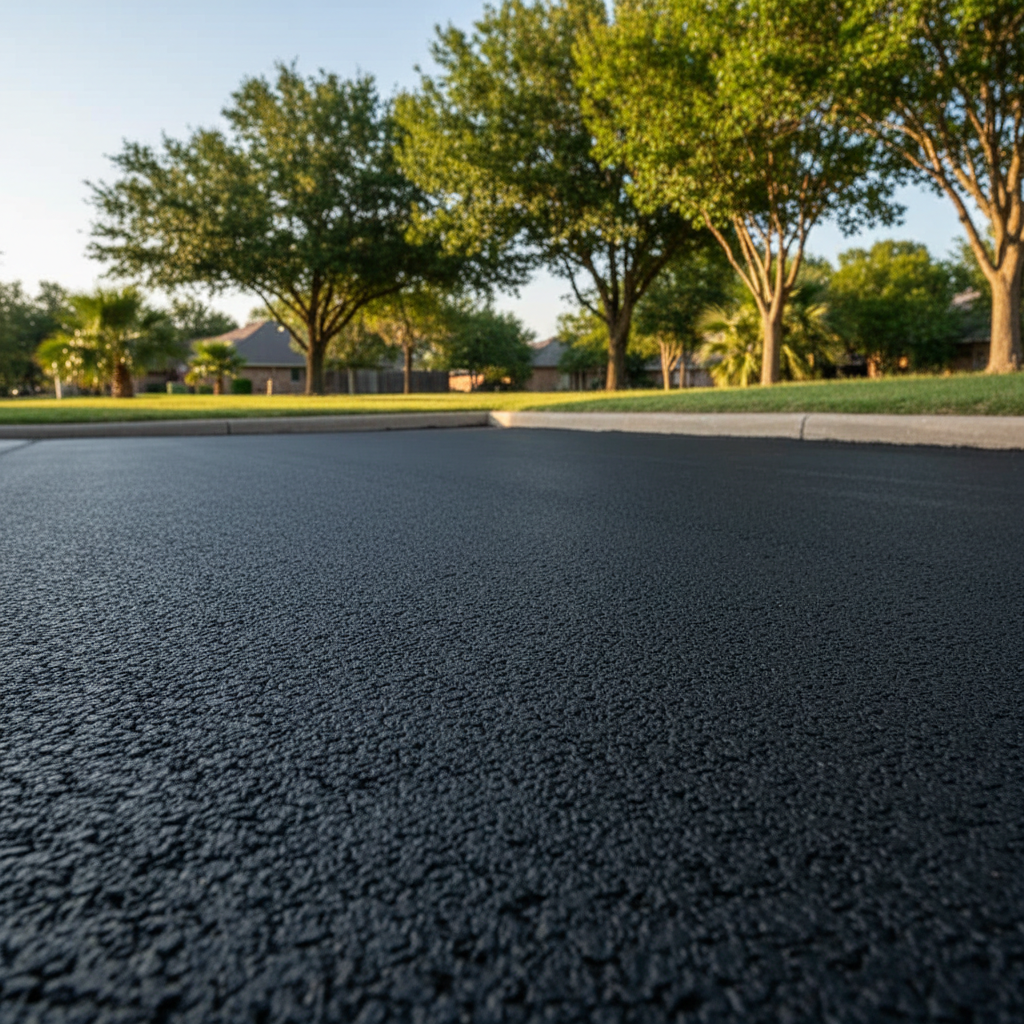
What's the deal with drainage and my asphalt driveway?
This is probably the most crucial thing we talk about when I'm out giving estimates. You can have the best asphalt laid down, but if the water isn't going where it needs to go, you're going to have problems. Fast. We're talking cracks, potholes, and erosion around the edges. Here in Killeen, especially with our clay soils that don't drain well on their own, proper grading and slope are non-negotiable. I always check the existing landscape, where your downspouts are, and how water flows during a good rain. Sometimes it means adding a swale or a French drain, or just making sure the driveway has enough pitch to direct water away from your house and foundation. Don't let anyone tell you drainage isn't a big deal; it's the foundation of a long-lasting pavement.
How long does asphalt paving actually take?
That's a common question. It really depends on the size of the job and what we're starting with. If it's a brand-new driveway from scratch, including excavation and base prep, it's usually a multi-day process. Day one might be all about digging out the old stuff, grading, and laying the aggregate base. We've got to compact that base properly, or your asphalt won't hold up, plain and simple. Then, the actual paving day itself can be pretty quick for a standard residential driveway – a few hours for the asphalt to be laid and compacted. But then it needs to cure. You can usually walk on it pretty soon, but you'll want to stay off it with vehicles for at least 24-72 hours, sometimes longer if it's really hot out, to let it harden up. We'll give you a specific timeline for your project, but don't expect a one-day miracle for a full replacement.
Can I just patch my asphalt, or do I need a whole new surface?
Good question, and it's not always a simple answer. If you've got a few isolated potholes or some minor cracking, patching can definitely extend the life of your driveway. We'll clean out the damaged area, fill it with new asphalt, and compact it. It's a cost-effective solution for localized issues. However, if your driveway looks like a spiderweb of cracks, or if the base is failing and you've got widespread potholes, patching is just a band-aid. You'll be patching new spots every few months, and that money would be better spent on a more permanent fix, like an overlay or even a full replacement. I'll always give you my honest assessment when I see your property. Killeen Asphalt Solutions aims to give you the best value for your dollar, not just the quickest fix.
What causes asphalt to crack, and how can I prevent it?
Cracks happen for a few reasons. The most common are water infiltration, temperature changes, and heavy loads. Water gets into tiny surface cracks, freezes and expands in the winter (which we do get here, even if it's short-lived), and then thaws, creating bigger cracks. The intense Killeen summer sun can also cause the asphalt to expand and contract, leading to thermal cracking. And if you've got heavy vehicles, like RVs or delivery trucks, frequently driving or parking on your driveway, that stress can cause fatigue cracking. Prevention starts with good installation: a solid base and proper drainage. After that, regular maintenance is key. Sealcoating every few years protects the surface from water and UV rays, and addressing small cracks with crack filling before they become major problems is crucial. Think of it like changing the oil in your car – preventative maintenance saves you big money down the road.
Is there a 'best' time of year to pave in Killeen?
You bet there is. While we can pave year-round if the weather cooperates, the ideal conditions are when it's not too hot and not too cold. For Killeen, that usually means spring and fall. The asphalt needs to be laid when the ground isn't frozen and the air temperature is consistently above 50 degrees Fahrenheit, but not so hot that the asphalt cools too quickly or is too soft to work with effectively. Our summers here can get brutally hot, and while we can still pave, it requires extra care and can be harder on the crew and the material. Winter paving is possible on warmer days, but it's riskier due to potential freezing temperatures and rain. Spring and fall offer that sweet spot for optimal curing and a smoother process.
What kind of warranty or guarantee do you offer on your work?
Any reputable paving contractor should stand behind their work, and we certainly do at Killeen Asphalt Solutions. We typically offer a warranty on our new asphalt installations, covering defects in materials and workmanship for a specific period, usually a year or two. This means if you see issues like premature cracking, raveling, or significant settling due to our installation process, we'll come back and fix it. It's important to understand that a warranty doesn't cover damage from things like heavy vehicle abuse, oil spills, or lack of proper maintenance on your part. We'll go over all the specifics of our warranty with you before we start any project, so you know exactly what to expect.
Why does my asphalt look dull or faded after a while?
That's completely normal, and it's mostly due to the sun and weather. When asphalt is first laid, it's a deep, rich black. That's because the asphalt binder, which is the tar-like material holding everything together, is fresh and on the surface. Over time, ultraviolet (UV) rays from the sun oxidize this binder, causing it to dry out, lose its flexibility, and turn a dull gray. Rain and traffic also wear away the top layer. This isn't just an aesthetic issue; a dried-out surface is more prone to cracking and deterioration. That's why sealcoating is so important. It replenishes that top layer, protects against UV and water, and brings back that nice, dark look. Think of it as sunscreen and a moisturizer for your driveway.